Join our new WhatsApp Channel!

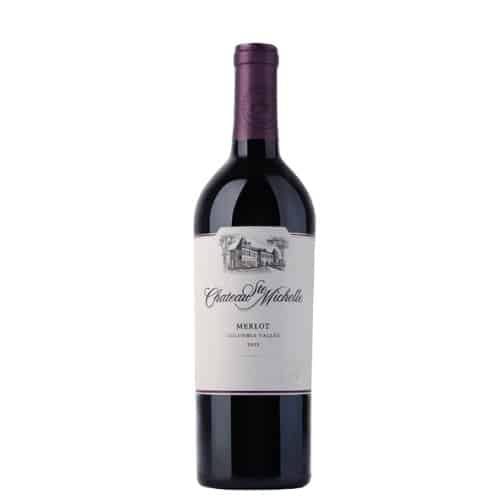

Chateau Ste. Michelle Merlot 75cl
AED 95.00
Plush, dark-fruit Merlot that makes weeknight red wine feel like a plan. Think black cherry, plum, a little cocoa, and that easy, velvety vibe Merlot does best. It’s a Washington State classic from Columbia Valley, built for pizza nights, burgers, and “one more glass” chats. A crowd-pleasing red wine that still has enough flavour to keep you interested!
| Size | 75cl / 750ml |
|---|
Description
This Merlot is your shortcut to a richer, darker-fruit red wine without turning it into a homework assignment. You get ripe black cherry and plum, a touch of chocolatey warmth, and gentle tannins that keep things friendly while still feeling like real wine.
- Appearance: Deep ruby with a glossy, purple edge.
- Nose: Black cherry, plum, blackberry, cocoa powder, and a hint of cedar.
- Taste: Juicy dark fruit up front, then light mocha and baking spice, with balanced acidity and soft, mouth-coating tannins.
- Body: Medium-bodied, comfy and plush.
- Finish: Cherry and cocoa linger, with a gentle, dry fade that nudges you back for another sip.
What makes it worth your shelf space is the balance. It’s bold enough to stand up to saucy, cheesy food, but it won’t bulldoze lighter meals either. If you’ve ever had a red wine that felt too sharp or too drying, this is the kind of Merlot that can bring you back.
Expect a fruit-forward style that still feels put-together, not jammy, not watery. It’s the kind of bottle you can pour for a mixed crowd, people who love red wine and people who “don’t really do reds”, and everyone finds something to like.
Columbia Valley fruit is the quiet cheat code here. Warm days help the grapes ripen into those dark cherry and plum notes, and cool nights keep the freshness so it doesn’t taste heavy.
Where it shines most is food. Think burgers, roast chicken, mushroom pasta, takeout pizza, or anything with a little char. It’s also an easy pick for a casual dinner party when you want one reliable red wine that won’t start debates.
Fun Fact: Chateau Ste. Michelle has been a Washington State winemaking staple since the 1930s, and it helped put Columbia Valley wines on the map.
DELIVERY
PICK UP IN-STORE
Same day. Free.
DELIVERY
Same day or next day to your home or business.
Starts from AED 30 for addresses near our store in Ras Al Khaimah, UAE.
For deliveries further out, fees are based on distance and order size. We generally ask for a minimum of AED 500 on longer distance deliveries, but get in touch, we're flexible. Click here to WhatsApp us.
ABOUT OUR DELIVERY FEES
100% of your delivery fee goes directly to our drivers — we don't keep a dirham. They handle your order with care, often across long distances, and we believe they should be paid properly for it, not squeezed on margins like most delivery services.
Delivery within the UAE only.
RETURNS
ALL SALES ARE FINAL
Due to the nature of our products, we do not accept returns, exchanges, or issue refunds or credits.
DEFECTIVE ITEMS
We stand behind everything on our shelves. If you receive a defective bottle, we'll replace it with one of equal or greater value based on your original purchase price. If your replacement costs more, you just pay the difference including tax.
To be eligible:
- Reported within 7 days of purchase
- Original receipt provided
- Bottle unused, in original condition and packaging
- Assessed and approved by our team
We don't offer store credit. To arrange an exchange, reach out at hello@supercellar.ae or call +971 50 316 1002 or WhatsApp us here.
LARGE EVENT ORDERS
Planning an event and want to over-order just in case? We may accept returns on unopened spirits bottles by prior agreement. Speak to our sales team before placing your order, and we'll do our best to work something out.
WINE, CHAMPAGNE & BEER We do not accept returns, refunds, or exchanges on wine, champagne, or beer under any circumstances. Storage conditions directly affect quality once a bottle leaves our hands, and we can't guarantee how products are kept after that.
Related products
Sale
Sale
Jean Marc Brocard Chablis Grand Vin 75cl
Original price was: AED 150.00.AED 135.00Current price is: AED 135.00.