We have a new WhatsApp number! Click here to chat.

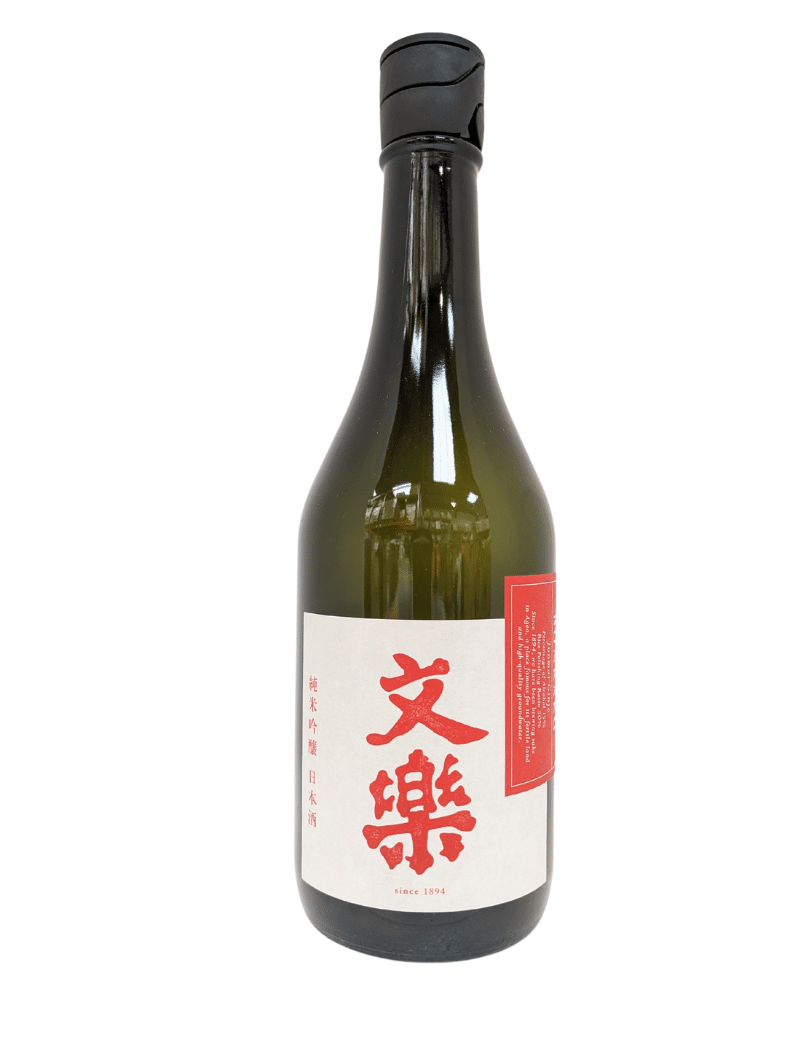

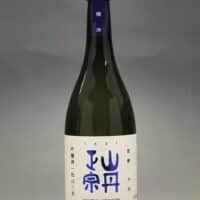
Bunraku Junmai Ginjo Sake 72cl
AED 119.00
Floral, clean, and seriously easy to love, this Junmai Ginjo is the kind of sake that makes you pause mid-sip and go, “okay, that’s good.” Expect ripe pear, steamed rice, and a soft melon vibe, with a crisp finish that keeps things bright. Made in Japan, it’s a go-to Junmai Ginjo sake when you want finesse without fuss.
Description
This Junmai Ginjo is all about bright, delicate flavour with enough depth to keep you interested. It leans fruit-forward and lightly floral, with a clean rice backbone that makes it feel polished, not heavy. If you’ve been hunting for a Japanese Junmai Ginjo sake that’s easy to sip but not boring, this one’s a strong pick.
Junmai Ginjo means it’s brewed with just rice, water, yeast, and koji (the magic mould that turns rice starch into fermentable sugar), and the rice is polished down more than standard styles. So what, though? You get a lighter, more aromatic profile, more lift, less weight, and a finish that doesn’t drag.
- Nose: White flowers, pear, hint of melon, and fresh steamed rice.
- Taste: Gentle orchard fruit, soft sweetness up front, then a clean, lightly savoury rice note that keeps it grounded.
- Finish: Crisp and tidy, with lingering floral fruit and a dry-ish snap that makes you want another sip.
Where it really wins is balance. The fruit notes feel natural, not candy-ish, and the rice character is present without turning the whole thing into a bowl-of-rice moment. It’s the kind of sake that plays well with food, but it’s just as satisfying when you’re only in the mood for “one nice drink” that still feels like a treat.
If you’re building a home bar beyond whisky and gin, this is a smart bottle to keep around. Junmai Ginjo is one of the most versatile sake styles for curious drinkers, aromatic enough to be interesting, clean enough to be crowd-friendly, and complex enough that you’ll keep noticing new little flavours as it opens up.
Fun Fact: “Junmai” literally means “pure rice”, which is why this style skips added brewer’s alcohol and lets the rice, koji, and fermentation do all the talking.
Related products