We have a new WhatsApp number! Click here to chat.

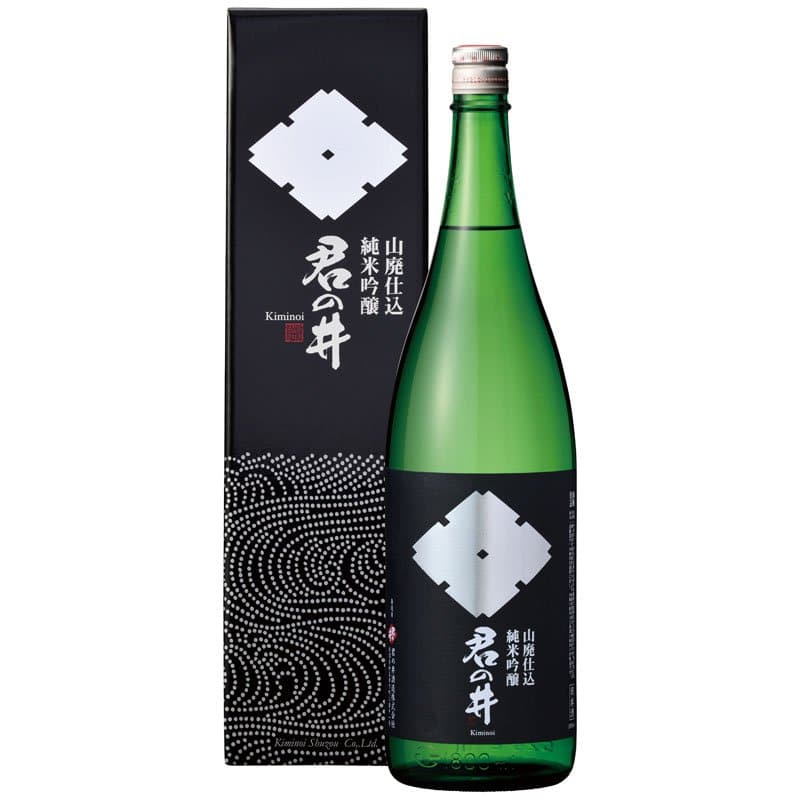

Kiminoi Sake 72cl
AED 99.00
Clean, rice-forward Japanese sake from Niigata that keeps you coming back. Think steamed rice, pear, and a little melon, with a crisp, dry snap that plays nice with sushi, yakitori, and salty snacks. If you want a versatile sake that feels bright and precise, this is the kind of bottle you’ll reach for on repeat!
Description
This is the kind of Japanese sake you pour when you want something crisp, food-friendly, and quietly impressive without turning the night into a lecture. Kiminoi brings that bright Niigata vibe, clean flavours, tidy edges, and a finish that doesn’t get in the way of the next bite.
If you’ve tried sake that felt heavy or overly sweet, this one’s the reset button. It keeps things rice-forward and fresh, with gentle fruit notes instead of candy vibes, so it works just as well with sushi as it does with fried chicken, grilled skewers, or anything salty and snacky.
Niigata is famous in Japan for cleaner, drier styles of sake, and you can taste why. The texture stays light and nimble, then the flavour opens up into soft orchard fruit and a subtle savoury touch, like steamed rice cooling in a bowl.
- Nose: Steamed rice, pear, melon, a hint of white flowers
- Taste: Clean and dry, rice sweetness up front, then crisp apple and light citrus, with a gentle savoury note
- Finish: Bright, tidy, slightly mineral, leaves your palate ready for another sip
Why it deserves shelf space, it’s reliable in the best way. You can pour it for a mixed crowd, it won’t bully your food, and it still has enough character to keep you interested. Keep it around for weeknight dinners, last-minute sushi runs, or when someone says, “I don’t know what sake I like.”
It also makes a smart intro to sake for curious drinkers, because the flavours are clear and easy to pick out. Pear, melon, rice, a little citrus. No mystery exam. Just a bottle that does what you want sake to do, refresh you, flatter food, and keep the conversation moving.
Fun Fact: Niigata is Japan’s heavyweight for sake production, thanks to its soft snowmelt water and serious rice culture, which is a big reason the region’s sake often tastes so clean and precise.
DELIVERY
PICK UP IN-STORE
Same day. Free.
DELIVERY
Same day or next day to your home or business.
Starts from AED 30 for addresses near our store in Ras Al Khaimah, UAE.
For deliveries further out, fees are based on distance and order size. We generally ask for a minimum of AED 500 on longer distance deliveries, but get in touch, we're flexible. Click here to WhatsApp us.
ABOUT OUR DELIVERY FEES
100% of your delivery fee goes directly to our drivers — we don't keep a dirham. They handle your order with care, often across long distances, and we believe they should be paid properly for it, not squeezed on margins like most delivery services.
Delivery within the UAE only.
RETURNS
ALL SALES ARE FINAL
Due to the nature of our products, we do not accept returns, exchanges, or issue refunds or credits.
DEFECTIVE ITEMS
We stand behind everything on our shelves. If you receive a defective bottle, we'll replace it with one of equal or greater value based on your original purchase price. If your replacement costs more, you just pay the difference including tax.
To be eligible:
- Reported within 7 days of purchase
- Original receipt provided
- Bottle unused, in original condition and packaging
- Assessed and approved by our team
We don't offer store credit. To arrange an exchange, reach out at hello@supercellar.ae or call +971 50 316 1002 or WhatsApp us here.
LARGE EVENT ORDERS
Planning an event and want to over-order just in case? We may accept returns on unopened spirits bottles by prior agreement. Speak to our sales team before placing your order, and we'll do our best to work something out.
WINE, CHAMPAGNE & BEER We do not accept returns, refunds, or exchanges on wine, champagne, or beer under any circumstances. Storage conditions directly affect quality once a bottle leaves our hands, and we can't guarantee how products are kept after that.
Related products