We have a new WhatsApp number! Click here to chat.


Folonari Valpolicella 75cl
AED 29.00

Bottega Amarone della Valpolicella 75cl
AED 229.00
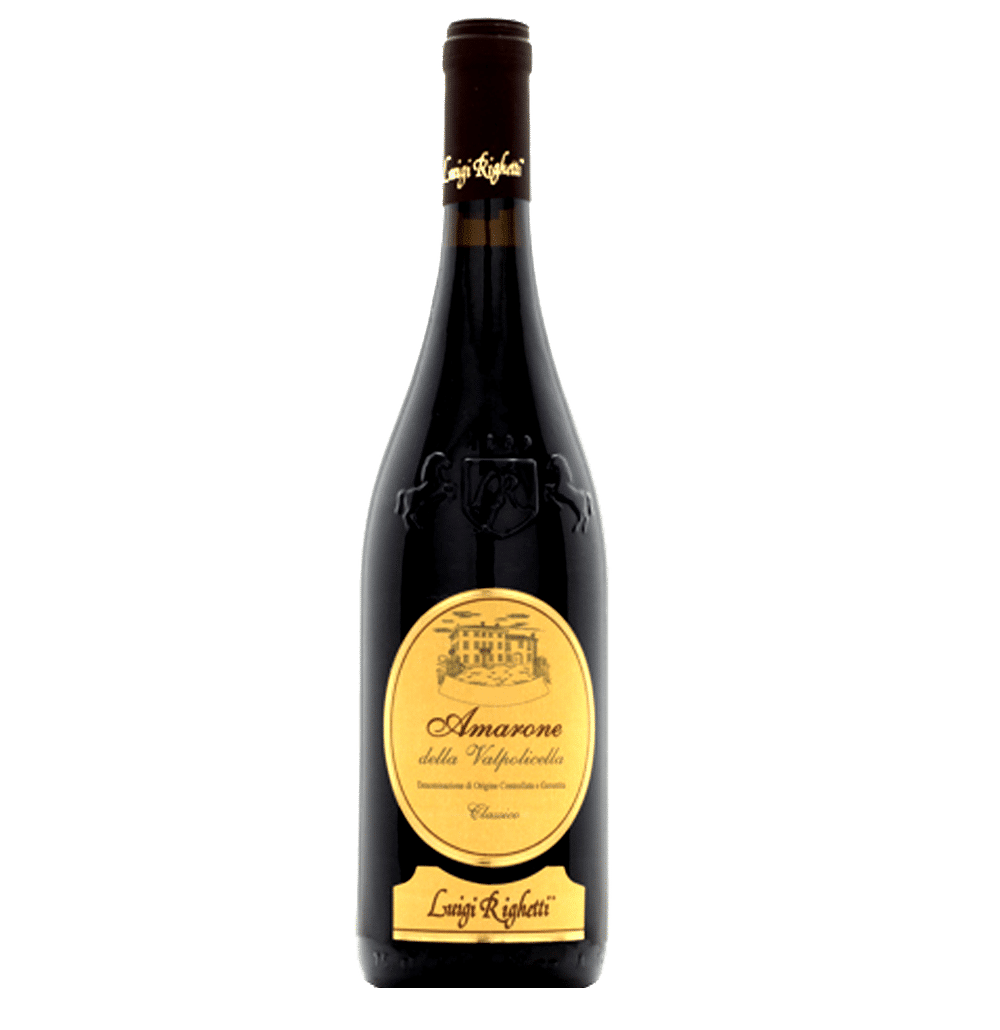
Amarone Della Valpolicella 75cl
AED 135.00
Big, brooding, and ridiculously satisfying, this Amarone from Italy’s Valpolicella is the kind of red you pour when you want the room to go quiet for a second. Think dried cherry, dark plum, cocoa, and a hit of espresso, with grippy tannins that keep it feeling serious. Classic Amarone richness, no drama, just depth!
| Size | 75cl / 750ml |
|---|
Description
This is a sit-down red. Amarone della Valpolicella is one of Italy’s most intense, layered wine styles, made in the Valpolicella area of Veneto, and it drinks like a slow-burning conversation you don’t want to end.
- Appearance: Deep garnet with darker edges, the kind of colour that tells you it’s not here to be “light and easy.”
- Nose: Dried cherry and raisin-like fruit (in a good way), plus dark chocolate, sweet spice, and a little tobacco-leather vibe.
- Taste: Concentrated flavours of black cherry, fig, and plum, with cocoa and espresso coming through as it opens up. Dry, full-bodied, and warming, with firm tannins that make it feel structured, not sloppy.
- Body: Full-bodied and dense, built for slow sips and big flavours.
- Finish: Long and echoing, with dark fruit, spice, and a savoury edge that keeps pulling you back in.
Why this style hits so hard is the production method. Amarone is traditionally made using partially dried grapes (appassimento), which concentrates flavour before fermentation, so you get that trademark richness and complexity without the wine feeling one-note.
If you’re into bold Italian red wine with layers, this is the bottle. It’s got dried-fruit intensity, chocolatey depth, and enough structure to keep every sip interesting, even when you’re paying attention.
It also rewards curiosity. Give it a bit of time in the glass and you’ll notice it shifting from fruit-forward to more savoury, showing off spice, cocoa, and that classic Amarone heft.
Fun Fact: Amarone was originally a “happy accident”, it likely came from a Recioto-style wine that fermented fully dry, and locals started calling it “Amarone” (the “big bitter one”) to separate it from the sweeter style.
DELIVERY
PICK UP IN-STORE
Same day. Free.
DELIVERY
Same day or next day to your home or business.
Starts from AED 30 for addresses near our store in Ras Al Khaimah, UAE.
For deliveries further out, fees are based on distance and order size. We generally ask for a minimum of AED 500 on longer distance deliveries, but get in touch, we're flexible. Click here to WhatsApp us.
ABOUT OUR DELIVERY FEES
100% of your delivery fee goes directly to our drivers — we don't keep a dirham. They handle your order with care, often across long distances, and we believe they should be paid properly for it, not squeezed on margins like most delivery services.
Delivery within the UAE only.
RETURNS
ALL SALES ARE FINAL
Due to the nature of our products, we do not accept returns, exchanges, or issue refunds or credits.
DEFECTIVE ITEMS
We stand behind everything on our shelves. If you receive a defective bottle, we'll replace it with one of equal or greater value based on your original purchase price. If your replacement costs more, you just pay the difference including tax.
To be eligible:
- Reported within 7 days of purchase
- Original receipt provided
- Bottle unused, in original condition and packaging
- Assessed and approved by our team
We don't offer store credit. To arrange an exchange, reach out at hello@supercellar.ae or call +971 50 316 1002 or WhatsApp us here.
LARGE EVENT ORDERS
Planning an event and want to over-order just in case? We may accept returns on unopened spirits bottles by prior agreement. Speak to our sales team before placing your order, and we'll do our best to work something out.
WINE, CHAMPAGNE & BEER We do not accept returns, refunds, or exchanges on wine, champagne, or beer under any circumstances. Storage conditions directly affect quality once a bottle leaves our hands, and we can't guarantee how products are kept after that.